Table of Contents
01.YouTube Partner Programme: Empowering Creators to Earn and Grow

The YouTube Partner Programme (YPP) offers creators multiple ways to monetize their content across various formats, including Shorts, live streaming, and long-form videos. YouTube is committed to ensuring that creators are rewarded for their creativity, regardless of the content style they choose. By joining YPP, eligible creators gain access to diverse revenue streams, such as ad revenue, channel memberships, Super Chats, and more. Additionally, they benefit from exclusive resources like one-on-one support and the Copyright Match Tool, which helps protect their original content from unauthorized use.
Creators in the YouTube Partner Programme are not just individuals making videos—many have built thriving businesses, employing teams and managing full-scale operations. Over the past three years, YouTube has paid out more than $50 billion to creators, artists, and media companies, highlighting the platform’s role in fostering sustainable careers. Whether through engaging Shorts, interactive live streams, or in-depth long-form videos, YPP provides the tools and opportunities needed for creators to turn their passion into a profession.
By supporting creators at every stage of their journey, YouTube continues to empower a global community of innovators and storytellers. The programme’s flexibility ensures that creators can experiment with different formats while earning revenue, growing their audience, and building long-term success on the platform. With YPP, YouTube reaffirms its commitment to helping creators thrive in an ever-evolving digital landscape.
02.How to Join the YouTube Partner Program in 2025
The YouTube Partner Program (YPP) provides creators with multiple ways to monetize their content, whether through Shorts, live streams, or long-form videos. According to YouTube, the platform paid out over $70 billion to YPP members between 2021 and 2023, making it a powerful way to earn revenue for eligible creators. By joining YPP, you gain access to ad revenue sharing, earnings from YouTube Premium and Music subscribers, and additional income streams like Super Chat, Super Thanks, and channel memberships. You can also use YouTube Shopping to sell products directly to your audience and benefit from tools like Copyright Match to protect your original content.
While the Partner Program is one of the most effective ways to monetize on YouTube, it’s not the only option. Creators can also generate income through sponsored content, affiliate marketing, or selling products/services off-platform. However, many monetization features—such as ad revenue—are only available to YPP members, making it a crucial step for long-term success.
Eligibility Requirements for 2025
To apply for the YouTube Partner Program, your channel must meet the following criteria:
- 500 subscribers
- Three valid public uploads
- 3,000 watch hours in the past year OR 3 million Shorts views in the last 90 days
For full monetization (including ad revenue), you’ll need:
- 1,000 subscribers
- 4,000 watch hours in the past year OR 10 million Shorts views in the last 90 days
Your channel must also comply with YouTube’s monetization policies, be in good standing, and be located in an eligible region. Once you meet the requirements, apply through YouTube Studio under the “Earn” tab.
By joining YPP, you unlock powerful tools to grow your channel and turn your creativity into a sustainable income stream. Start working toward the eligibility thresholds today to take advantage of YouTube’s monetization opportunities!
03.Monetizing Your Videos with YouTube Ads
Once accepted into the YouTube Partner Program (YPP), enabling ads is the simplest way to start earning revenue. YouTube automatically displays pre-roll, mid-roll, and post-roll ads on your videos—some skippable, others not. While you can’t control which ads appear, you can choose whether to place mid-roll ads in videos eight minutes or longer. These can be added automatically or manually for optimal placement.
To track earnings, go to the “Revenue” tab in YouTube Studio, where you’ll see monthly estimates based on monetized views. However, relying solely on ad revenue has risks—YouTube’s strict demonetization policies mean some content may not be deemed advertiser-friendly, potentially reducing earnings or even risking removal from YPP.
Average YouTube Ad Revenue in 2025
YouTube pays creators based on CPM (cost per mille), the amount advertisers pay per 1,000 views. The average CPM is $15.34, but this varies by niche, audience location, and video format. Importantly, YouTube keeps 45% of ad revenue from standard videos and 55% from Shorts, meaning you earn 55% of the CPM.
Example Calculation:
If your video gets 50,000 eligible views at a $15 CPM:
Earnings = [(50,000 ÷ 1,000) × $15] × 0.55 = $412.50
Note that not all views count—repeats and watches under 30 seconds are excluded.
Why You Should Diversify Beyond Ads
While ads provide passive income, smart creators combine multiple revenue streams, such as:
- Sponsorships & brand deals
- Affiliate marketing
- Channel memberships & Super Chats
- Merchandise & digital products
By diversifying, you protect your income from algorithm changes or demonetization risks. Turn on ads to start earning, but explore other strategies to maximize your YouTube revenue!
How YouTube Shorts Monetization Works in 2025
YouTube Shorts has a unique monetization system that differs significantly from traditional long-form videos. Instead of direct ad placements, Shorts creators earn revenue through YouTube’s Shorts ad revenue sharing program, which operates on a pooled revenue model. Here’s how it works:
The Shorts Monetization Model
- Ad Revenue Collection
- YouTube gathers revenue from ads displayed between Shorts in the mobile feed.
- This revenue is divided into two pools:
- Creator Pool (distributed to creators based on viewership)
- Music Fund (covers licensing costs when creators use copyrighted music)
- Revenue Distribution
- Your earnings depend on:
- Your share of total Shorts views in your region (e.g., if you get 3% of a country’s Shorts views, you receive 3% of that region’s Creator Pool).
- Music usage (if your Short contains licensed music, a portion of revenue goes to the Music Fund).
- Your earnings depend on:
- YouTube’s Revenue Share
- After distribution, YouTube takes 55%, leaving creators with 45% of their eligible earnings.
04.Monetize Your YouTube Channel by Selling Products & Merch
YouTube Shopping provides creators with powerful tools to turn their audience into customers. This built-in feature allows you to seamlessly integrate e-commerce with your content, creating new revenue streams beyond ads and sponsorships. Here’s how it works:
YouTube Shopping Feature
- Channel Storefront – Create a dedicated shopping section on your YouTube channel
- Product Tagging – Show items directly in your videos and live streams
- Third-Party Integration – Connect existing Shopify, WooCommerce, or other online stores
What Can You Sell?
Many successful creators leverage:
- Branded Merchandise – T-shirts, hoodies, hats, and accessories featuring your logo or catchphrases
- Digital Products – E-books, courses, presets, or membership content
- Affiliate Products – Earn commissions by recommending favorite tools and gear
Success Story: Blogilates
Fitness creator Cassey Ho discovered unexpected demand when fans asked for Blogilates-branded apparel. What began as casual requests turned into a thriving clothing line. “That was the moment I realized Blogilates wasn’t just a screen name,” she recalls.
Getting Started Tips
- Print-on-Demand Services – Use platforms like Teespring or Printful to avoid inventory risks
- Strategic Placement – Tag products in tutorial, review, or behind-the-scenes videos
- Limited Editions – Create urgency with seasonal drops or exclusive designs
YouTube Shopping turns your creative influence into tangible sales opportunities. Whether selling your own products or earning affiliate commissions, it’s one of the most effective ways to build a sustainable creator business. The best part? You maintain full control over pricing, products, and profit margins while deepening connections with your most loyal fans.
Start small with a few signature items, then expand your product line as you identify what resonates with your audience. With YouTube handling the shopping infrastructure, you can focus on creating content that drives sales.
05.How to Partner with Brands as a YouTube Influencer
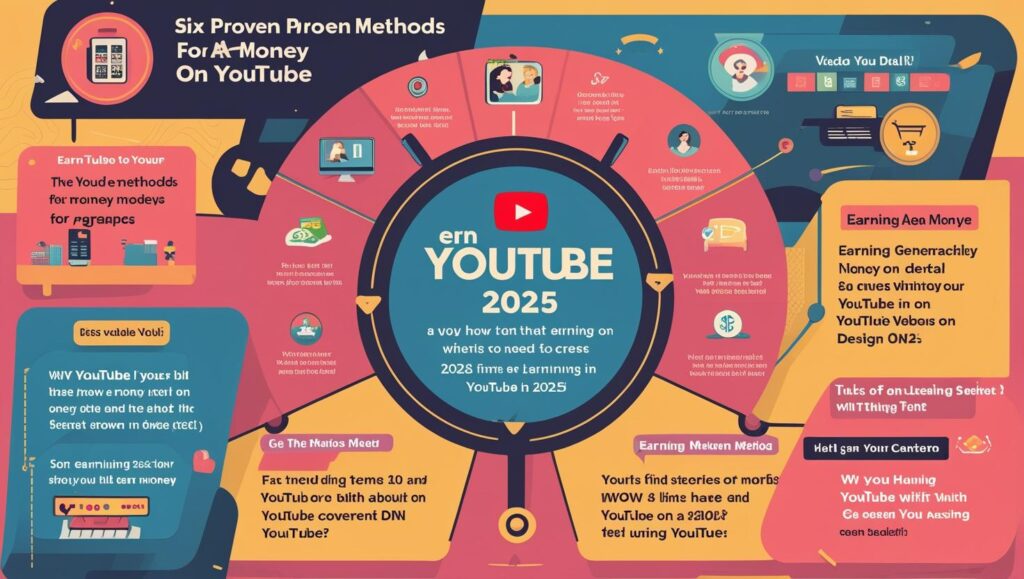
In today’s digital landscape, brands are actively seeking authentic creators to promote their products through influencer marketing. As a YouTuber, this presents a lucrative opportunity to monetize your influence while providing value to your audience.
Finding Brand Partnerships
YouTube offers built-in tools to connect creators with relevant brands based on channel analytics and audience demographics. Additionally, platforms like Shopify Collabs streamline the process by matching you with companies that align with your content and values. These partnerships often take two forms:
- Affiliate programs (earn commissions on sales)
- Sponsored content (flat-rate payments for product features)
Setting Your Rates
Industry expert Brendan Gahan suggests calculating your baseline sponsorship fee by multiplying your average views by $0.05 to $0.15 per view. For example:
- 50,000 views/video = $2,500 to $7,500 per sponsorship
Your negotiating power depends on three key factors:
- Audience demographics (age, location, purchasing power)
- Content quality (production value and engagement rates)
- Niche profitability (how valuable your specific audience is to advertisers)
Best Practices for Sponsored Content
- Maintain authenticity – Only promote products you genuinely use and recommend
- Disclose partnerships – Always use #ad or YouTube’s paid promotion labels
- Deliver value – Create content that serves your audience first, not just the brand
The most successful creator-brand relationships happen when there’s natural alignment. By being selective with partnerships and transparent with your audience, you can build trust while growing a sustainable income stream.
Remember: Your influence is valuable. Don’t undervalue your work—the right brands will recognize the worth of your engaged community. Start small with affiliate links, then scale to larger sponsorships as you prove your conversion power.
06.
06.How to Earn Through Affiliate Marketing on YouTube
Affiliate marketing offers YouTube creators a powerful way to monetize content by earning commissions for promoting products. This performance-based model benefits both creators and brands – you get paid only when your audience makes purchases, while companies gain authentic promotion.
Getting Started with Affiliate Marketing
- Find Relevant Programs
- Join affiliate networks like Amazon Associates, ShareASale, or CJ Affiliate
- Explore YouTube’s built-in Shopping affiliate program (requires YPP membership)
- Partner directly with brands in your niche
- Implement Strategically
- Place affiliate links in video descriptions and pinned comments
- Use YouTube’s product tagging feature for seamless shopping
- Create dedicated review/tutorial videos for promoted products
Best Practices for Success
- Disclose relationships clearly with #ad or verbal disclosures
- Choose quality products you genuinely recommend to maintain trust
- Track performance using affiliate dashboards to optimize content
For Product Owners: Recruit Affiliates
Shopify merchants can expand reach by:
- Listing products in YouTube’s affiliate marketplace
- Setting competitive commission rates (typically 5-30%)
- Providing affiliates with promo materials (discount codes, product samples)
The key to affiliate success lies in authentic integration. Rather than hard-selling, focus on demonstrating product value through honest reviews, tutorials, or lifestyle content. Top creators often earn more through affiliates than ads because commissions scale with audience purchasing power.
Remember: While any creator can participate, YouTube’s official Shopping program requires Partner Program membership. Start small with 1-2 affiliate products, then expand as you learn what resonates with your viewers. With strategic implementation, affiliate marketing can become a substantial income stream that grows alongside your channel.
Want to find ‘playpix oficial’ without getting scammed? This is the real deal. Don’t risk clicking on dodgy ads, use this: playpix oficial
Vina24 mb… I’m curious! Going to investigate for myself. Hope it’s a good find! Find more info at: vina24 mb
Hey! Stumbled upon ‘bet 888’ the other day. Had a good time exploring all of its features, now enjoying browse there, check out bet 888